Guide
Understanding the Costs of Sober Living and Financial Strategies to Afford It
Explore the costs of sober living and discover effective financial strategies to manage expenses and support your recovery journey.

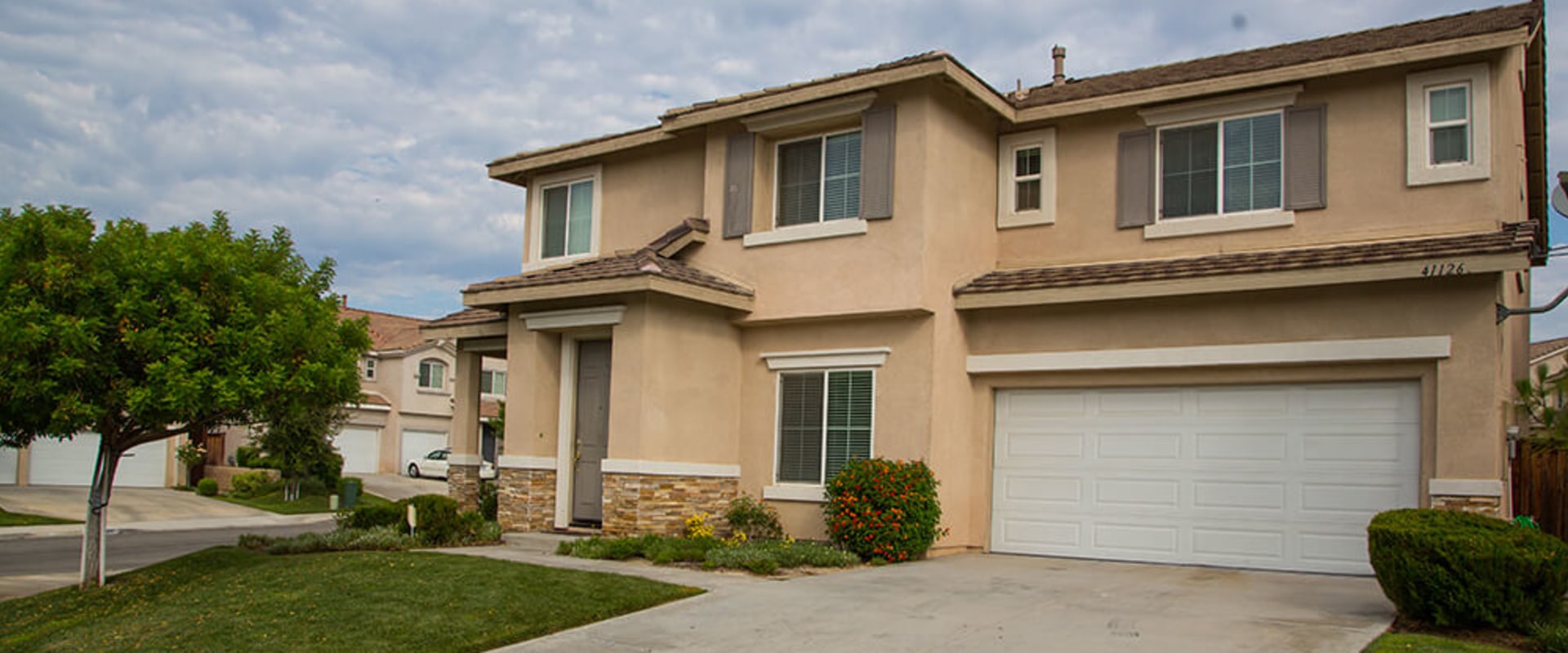
Sober living is a crucial component of the recovery journey for individuals who have recently completed a rehabilitation program. These structured environments provide a safe and supportive space where residents can focus on maintaining their sobriety while gradually reintegrating into everyday life. Unlike traditional rehabilitation centers, sober living homes emphasize personal responsibility and independence, allowing individuals to develop essential life skills that are vital for long-term recovery. The importance of sober living cannot be overstated. It serves as a bridge between the intensive care of rehabilitation and the challenges of independent living.
In sober living homes, residents are encouraged to participate in support groups, engage in employment or educational opportunities, and build a network of sober peers. This community aspect fosters accountability and encourages individuals to stay committed to their recovery goals. However, the costs associated with sober living can vary significantly based on location, amenities, and the level of support provided. Understanding these costs is essential for anyone considering this option. While some may find financial assistance through insurance or family support, others may need to explore alternative funding methods.
In the following sections, we will delve deeper into the various expenses related to sober living and discuss practical strategies for managing these costs effectively.
What is Sober Living?
Sober living
refers to a structured, supportive environment designed for individuals recovering from substance abuse. These homes serve as a transitional space for those who have completed a formal rehabilitation program but are not yet ready to return to their previous lives. The primary goal of sober living is to provide a safe and stable atmosphere where residents can focus on maintaining their sobriety while gradually reintegrating into society. Typically, sober living homes are shared residences that accommodate multiple individuals, fostering a sense of community and mutual support. Residents are often required to adhere to specific rules and guidelines that promote accountability and personal growth.
Common regulations include:
- No substance use: Residents must abstain from drugs and alcohol, creating a drug-free environment.
- Regular meetings: Participation in support groups, such as Alcoholics Anonymous (AA) or Narcotics Anonymous (NA), is usually mandatory.
- Chores and responsibilities: Residents are expected to contribute to the upkeep of the home, which helps instill a sense of responsibility.
- Employment or education: Many sober living homes require residents to maintain a job or pursue educational opportunities, promoting independence and stability.
The Costs Associated with Sober Living
Understanding the costs of sober living is crucial for anyone considering this transitional housing option.While the expenses can vary significantly based on location, amenities, and the level of support provided, there are several common costs that individuals should anticipate.
1.Rent
The most significant expense associated with sober living is typically rent. Depending on the area, monthly rent can range from $500 to $2,500. Urban areas tend to be more expensive, while rural locations may offer more affordable options. It's essential to research various sober living homes in your desired area to find one that fits your budget.
2.Utilities
In addition to rent, residents are often responsible for utilities such as electricity, water, gas, and internet.
These costs can add an additional $100 to $300 per month to your overall expenses. Some sober living homes include utilities in the rent, so it's important to clarify this before moving in.
3.Food
Food costs can also vary widely depending on individual dietary needs and preferences. On average, residents should budget around $200 to $400 per month for groceries. Some sober living homes may provide meals or have communal kitchens where residents can cook together, which can help reduce food expenses.
4.Additional Fees
- Application Fees: Many sober living homes charge a one-time application fee that can range from $50 to $200.
- Security Deposits: A security deposit is often required and can be equivalent to one month’s rent.
- Program Fees: Some facilities may charge additional fees for support services such as counseling or group therapy sessions.
- Transportation Costs: Residents may need to budget for transportation if they rely on public transit or need to travel for work or appointments.
5.Insurance and Financial Assistance
While most sober living homes do not accept insurance directly, some residents may be able to use health insurance benefits for certain related services.
Additionally, exploring local resources or non-profit organizations that offer financial assistance for housing can be beneficial. In summary, the expenses for sober living can add up quickly, but understanding these costs upfront allows individuals to plan accordingly and seek out financial resources that may be available to them.
Factors Influencing the Cost of Sober Living
Understanding the costs associated with sober living is crucial for anyone considering this transitional housing option. Several factors can significantly influence the overall price of sober living arrangements. Here are some key elements to consider:- Location: The geographical area where a sober living home is situated plays a major role in determining its cost. Urban areas, particularly those with a high cost of living, tend to have higher prices compared to rural locations.
For instance, a sober living home in New York City will likely charge more than one in a smaller town in the Midwest.
- Level of Support: Different sober living homes offer varying levels of support and supervision. Homes that provide more intensive support services, such as on-site counseling, regular drug testing, and structured schedules, typically come with higher fees. Conversely, homes that offer minimal supervision may be more affordable but could lack essential resources for recovery.
- Amenities Offered: The amenities available in a sober living home can also affect its pricing. Homes that provide additional features such as private rooms, recreational facilities, or access to fitness programs may charge higher rates.
Basic accommodations with shared living spaces and fewer amenities will generally be less expensive.
- Length of Stay: The duration of residency can impact costs as well. Some sober living homes offer discounts for longer stays or require upfront payments for extended periods. Understanding the payment structure is essential for budgeting effectively.
- House Rules and Requirements: Each sober living home has its own set of rules and requirements that can influence costs. For example, homes that mandate participation in group therapy sessions or community service may have additional fees associated with these programs.
How to Pay for Sober Living: Financial Strategies
Financing a stay in a sober living home can be a significant concern for many individuals seeking recovery.Understanding the various options available can help ease the financial burden and allow residents to focus on their sobriety. Here are some effective strategies to consider when looking to pay for sober living:
- Employment Opportunities: One of the most straightforward ways to cover the costs of sober living is through employment. Many sober living homes encourage residents to seek jobs as part of their recovery process. This not only helps with financial independence but also fosters a sense of responsibility and routine.
Look for flexible job opportunities that can accommodate your recovery schedule, such as part-time positions or remote work.
- Family and Friends Support: Reaching out to family members or close friends for financial assistance can be another viable option. Many individuals in recovery find that their loved ones are willing to help them during this transitional phase. Open communication about your needs and goals can lead to support, whether it’s through direct financial help or assistance with finding employment.
- Financial Aid Programs: Various organizations and non-profits offer financial aid specifically for individuals in recovery. Research local resources that may provide grants or scholarships for sober living arrangements.
Some community organizations may have funds set aside to assist those in need, so it’s worth exploring these options.
- Insurance Coverage: While many sober living homes do not accept insurance, it’s essential to check with your health insurance provider. Some policies may cover certain aspects of sober living, especially if it is deemed medically necessary as part of your recovery plan. Contact your insurance company to inquire about potential coverage options.
- Government Assistance Programs: Depending on your location, there may be state or federal programs designed to assist individuals in recovery. These programs can provide financial support or resources for housing, including sober living arrangements.
Investigate what is available in your area and how you can apply for assistance.
Insurance Coverage for Sober Living Expenses
Understanding the financial aspects of sober living is crucial for individuals seeking recovery. One of the most common questions that arise is whether health insurance can help cover the costs associated with sober living. While sober living homes are not typically classified as rehabilitation facilities, there are certain circumstances under which insurance may provide some assistance.Does Insurance Cover Sober Living?
In general, most health insurance plans do not cover the costs of sober living directly.
This is primarily because sober living homes are considered transitional housing rather than medical treatment facilities. However, some insurance policies may offer limited coverage for specific services related to sober living, such as:
- Outpatient Therapy: Many insurance plans cover outpatient therapy sessions, which can be beneficial for individuals residing in sober living homes. Regular therapy can help residents maintain their sobriety and address any underlying issues.
- Support Groups: Some policies may reimburse costs associated with attending support groups or counseling sessions that are integral to the recovery process.
- Medication Management: If a resident requires medication as part of their recovery plan, insurance may cover the costs of consultations with healthcare providers.
Insurance Options for Sober Housing
If you are considering sober living and want to explore your insurance options, here are some steps you can take:
- Review Your Policy: Start by reviewing your health insurance policy to understand what services are covered. Look for sections related to mental health and substance abuse treatment.
- Contact Your Provider: Reach out to your insurance provider directly to inquire about coverage for outpatient services, therapy, and any other relevant treatments that could support your stay in a sober living home.
- Explore State Programs: Some states offer programs that provide financial assistance for individuals in recovery.
Research local resources that may help offset costs associated with sober living.
Government Assistance Programs for Sober Living
For individuals seeking to transition into sober living, understanding the available government assistance programs can be crucial in alleviating financial burdens. Various federal and state initiatives aim to support those in recovery by providing resources and funding for sober living arrangements.Federal Assistance Programs
- Substance Abuse and Mental Health Services Administration (SAMHSA): SAMHSA offers grants to states for the development of recovery housing. These funds can be utilized to support sober living environments, making them more accessible for individuals in need.
- Medicaid: In some states, Medicaid may cover certain costs associated with sober living, particularly if the facility provides therapeutic services.
It’s essential to check with local Medicaid offices to understand eligibility and coverage specifics.
State Assistance Programs
- State-Specific Recovery Housing Programs: Many states have their own programs designed to assist individuals in recovery. These programs often provide financial aid or subsidies for sober living homes. For example, California has the California Department of Health Care Services, which offers resources for recovery housing.
- Local Health Departments: Local health departments may also have information on state-funded programs that assist with sober living costs. They can guide individuals on how to apply for these resources.
Public Programs and Nonprofits
- Nonprofit Organizations: Numerous nonprofits focus on addiction recovery and may offer financial assistance or scholarships for sober living.
Organizations like The Salvation Army and Alcoholics Anonymous often have local chapters that provide resources.
- Community Action Agencies: These agencies can help connect individuals with local resources, including potential funding for sober living arrangements.
Personal Finance Tips for Managing Sober Living Costs
Managing the costs associated with sober living can be challenging, especially for individuals who are just beginning their recovery journey. However, with careful planning and budgeting, it is possible to navigate these expenses effectively. Here are some practical tips to help you manage your finances while living in a sober home.1.Create a Detailed Budget
Start by outlining all your expected monthly expenses.This should include:
- Rent or housing fees
- Utilities (electricity, water, internet)
- Groceries
- Transportation costs (gas, public transit)
- Personal care items
- Support group fees or therapy sessions
- Emergency savings
2.Track Your Spending
Use budgeting apps or spreadsheets to monitor your daily expenses. Keeping track of where your money goes can help you identify areas where you might be overspending and allow you to make necessary adjustments.3.Find Employment or Additional Income Sources
If you are not already employed, consider seeking part-time work or freelance opportunities that fit within your recovery schedule. Many sober living homes encourage residents to find employment as a way to foster independence and responsibility. Additionally, explore options for:- Remote work opportunities
- Gig economy jobs (like food delivery or pet sitting)
- Volunteering that may lead to job offers
4.Utilize Community Resources
Many communities offer resources for individuals in recovery, including:- Food banks and pantries
- Job training programs
- Counseling services that may be low-cost or free
- Support groups that provide resources for financial management
5.Set Up an Emergency Fund
A small emergency fund can provide a safety net for unexpected expenses, such as medical bills or car repairs.Aim to save a little each month until you have at least three months' worth of essential expenses set aside.
6.Communicate with Housemates
If you share living expenses with housemates, maintain open communication about shared costs and responsibilities. This can help prevent misunderstandings and ensure everyone is contributing fairly. By implementing these personal finance tips, you can better manage the costs associated with sober living, allowing you to focus on your recovery journey without the added stress of financial instability.Frequently Asked Questions about Sober Living Costs
Understanding the costs associated with sober living can be daunting, especially for those who are new to the recovery process. Here are some frequently asked questions that can help clarify common concerns regarding the financial aspects of sober living.What are the typical costs of sober living homes?
The costs of sober living homes can vary significantly based on location, amenities, and the level of support provided. On average, residents can expect to pay anywhere from $500 to $2,000 per month.This fee often includes rent, utilities, and sometimes meals. However, additional costs may arise for personal expenses or specific programs offered by the facility.
Are there any hidden fees associated with sober living?
Many sober living homes are transparent about their fees, but it’s essential to inquire about any potential hidden costs. Some facilities may charge for:- Application fees
- Security deposits
- Transportation services
- Group therapy sessions or workshops
Can insurance cover the costs of sober living?
While most insurance plans do not cover the full cost of sober living, some may provide partial coverage or reimbursements for specific services related to recovery. It’s advisable to check with your insurance provider to understand what is covered and whether you can receive any financial assistance.What payment options are available for sober living?
Residents typically pay for sober living through:- Personal savings
- Income from employment
- Support from family or friends
- Grants or scholarships from recovery organizations
How can I budget for sober living expenses?
Creating a budget is crucial when planning for sober living.Consider the following steps:
- Assess your income: Determine your monthly income from all sources.
- List your expenses: Include rent, utilities, groceries, transportation, and personal care.
- Create a savings plan: Set aside funds specifically for sober living costs.
Conclusion: Navigating the Costs of Sober Living Successfully
In conclusion, understanding the costs of sober living is crucial for anyone considering this vital step in their recovery journey. As we have explored, sober living homes provide a supportive environment that fosters sobriety while allowing individuals to gradually reintegrate into society. However, the financial implications of such a transition can be significant and require careful planning. Throughout this article, we discussed various factors that influence the costs associated with sober living, including location, amenities, and the level of support provided. It is essential to recognize that while some homes may offer more comprehensive services, they often come with higher price tags.Therefore, potential residents should assess their personal needs and budget accordingly. Moreover, we highlighted several strategies for financing sober living arrangements. From utilizing personal savings and seeking assistance from family and friends to exploring insurance options and state programs, there are multiple avenues to consider. Each individual's financial situation is unique, and it is important to explore all available resources to ensure that the costs do not become a barrier to recovery. Additionally, we emphasized the importance of maintaining financial independence while residing in a sober living home. Engaging in employment or educational opportunities not only helps cover living expenses but also promotes personal growth and accountability—key components of sustained sobriety. Ultimately, navigating the costs of sober living successfully requires a proactive approach.
By understanding the financial landscape and exploring various payment options, individuals can focus on what truly matters: their recovery journey. Remember, investing in sober living is an investment in your future well-being and happiness.
Next threshold
More articles

The Transformative Benefits of Embracing a Sober Life
Discover the profound benefits of sober living, from improved health to meaningful relationships and personal growth.
Are Sober Living Homes Free? An Expert's Guide to Costs and Resources
Discover the costs of sober living homes and explore financial assistance options. Learn if sober living can be affordable for your recovery journey.

Achieving Lasting Sobriety with Ascension Sober Living
At Ascension House Extended Care in Austin TX, they provide an environment where everyone is focused on the program and there is no shadow of doubt that...

Understanding Sober Living Houses: Locations, Benefits, and Support for Recovery
Explore sober living houses: their locations, benefits, and how they support recovery from addiction in a safe, structured environment.