Guide
Understanding Sober Living Houses: Locations, Benefits, and Support for Recovery
Explore sober living houses: their locations, benefits, and how they support recovery from addiction in a safe, structured environment.

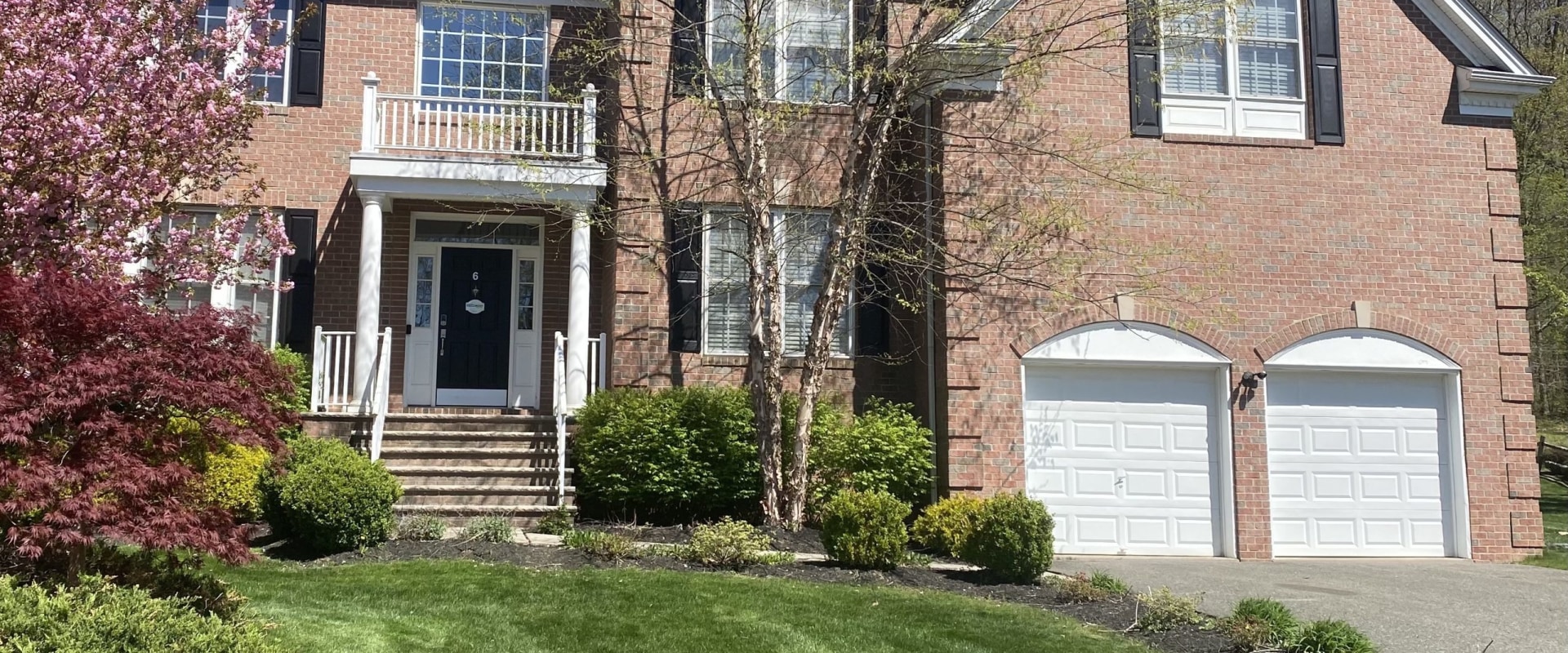
In the journey of recovery from substance abuse, the transition from a structured rehabilitation program to independent living can be daunting. This is where sober living houses come into play, providing a crucial bridge for individuals seeking to maintain their sobriety while reintegrating into everyday life. These residences offer a supportive and drug-free environment, allowing residents to focus on their recovery without the pressures and triggers often found in their previous living situations. Sober living houses are designed to foster a sense of community among residents who share similar goals of sobriety and personal growth. Living alongside others who understand the challenges of addiction creates a unique support network that can significantly enhance the recovery process.
In these homes, individuals are encouraged to participate in group activities, attend meetings, and engage in discussions that promote accountability and personal development. This communal aspect not only helps in building lasting friendships but also instills a sense of responsibility towards oneself and others. Moreover, sober living houses often implement house rules that promote healthy habits and routines. Residents may be required to adhere to curfews, participate in household chores, and attend regular check-ins with house managers or counselors. These structures help individuals develop essential life skills that are vital for successful independent living.
By establishing a routine and maintaining accountability, residents can better prepare themselves for the challenges they will face once they leave the supportive environment of a sober living house. Ultimately, the importance of sober living cannot be overstated. It serves as a vital resource for those in recovery, offering not just a place to stay but also a nurturing environment that encourages healing and growth. As individuals navigate their path to sobriety, sober living houses provide the necessary tools and support to help them thrive in their new lives.
What is a Sober Living House?
A sober living house is a structured, supportive environment designed for individuals recovering from substance abuse. These residences provide a crucial bridge between intensive treatment programs and independent living, allowing residents to practice sobriety in a safe and encouraging setting.Unlike traditional housing, sober living houses are specifically tailored to foster recovery and personal growth. One of the defining characteristics of a sober living house is its drug- and alcohol-free policy. Residents are required to abstain from all substances, which helps create a stable atmosphere conducive to healing. This commitment to sobriety is enforced through regular drug testing and house rules that promote accountability among residents. In addition to maintaining a substance-free environment, sober living houses often emphasize community and peer support. Residents typically share common areas, participate in group activities, and engage in discussions about their recovery journeys.
This communal aspect can significantly enhance the recovery experience, as individuals learn from one another and build lasting friendships based on shared struggles and triumphs. Another important feature of sober living houses is their flexibility regarding duration of stay. While some facilities may impose time limits, many allow residents to remain as long as they need to establish a solid foundation for their sobriety. This flexibility can be particularly beneficial for those who may not feel ready to transition back into the pressures of everyday life. It’s essential to note that sober living houses differ from rehabilitation centers in several key ways. Rehabilitation facilities typically provide intensive treatment programs that include therapy and medical support, while sober living houses focus on maintaining sobriety after treatment has concluded.
Additionally, sober living homes often have fewer restrictions than rehab centers, allowing residents more freedom while still providing necessary structure. In summary, a sober living house serves as a vital resource for individuals seeking to maintain their sobriety after completing a rehabilitation program. By offering a supportive community, flexible living arrangements, and a strict commitment to sobriety, these homes play an essential role in the recovery process.
Where Are Sober Living Houses Located?
Sober living houses are strategically located in areas that promote recovery and provide a supportive environment for individuals transitioning from rehabilitation to independent living. Typically, these homes are found in quiet neighborhoods that foster a sense of community and safety, allowing residents to focus on their sobriety without the distractions or triggers often present in more chaotic environments. Many sober living houses are situated near essential amenities such as grocery stores, public transportation, and healthcare facilities. This accessibility is crucial for residents who may need to attend therapy sessions, support group meetings, or other recovery-related activities.Additionally, being close to these resources can help individuals reintegrate into society more smoothly.
Finding Sober Living Houses Near You
If you're wondering where to find sober living options in your area, there are several effective strategies you can employ:- Online Directories: Websites dedicated to addiction recovery often have comprehensive listings of sober living houses. These directories allow you to filter by location, amenities, and other criteria that matter to you.
- Local Support Groups: Organizations such as Alcoholics Anonymous (AA) or Narcotics Anonymous (NA) can be invaluable resources. Members often share information about local sober living options and can provide personal recommendations.
- Healthcare Providers: If you have recently completed a treatment program, your healthcare provider or counselor may have connections with sober living facilities. They can guide you toward reputable options that align with your recovery goals.
- SAMHSA National Helpline: The Substance Abuse and Mental Health Services Administration (SAMHSA) offers a free helpline that can connect you with local resources, including sober living houses.
Their trained specialists can help you navigate your options based on your specific needs.
How Can a Sober Living House Help You?
Residing in a sober living house offers numerous benefits that can significantly enhance the recovery journey for individuals overcoming addiction.These environments are designed to provide a structured and supportive atmosphere, which is crucial for maintaining sobriety.
Emotional Support
One of the primary advantages of sober living houses is the emotional support they provide. Living with others who are also in recovery fosters a sense of camaraderie and understanding. Residents can share their experiences, challenges, and triumphs, creating a network of support that is vital during the recovery process. This shared experience helps individuals feel less isolated and more connected, which can be incredibly beneficial for mental health.
Accountability
Accountability is another key component of sober living.
In these homes, residents are encouraged to adhere to house rules and participate in regular meetings or check-ins. This structure helps individuals stay committed to their sobriety goals. Knowing that others are counting on them to maintain their sobriety can motivate residents to make healthier choices and avoid relapse.
Community Environment
The community aspect of sober living houses cannot be overstated. These homes often host group activities, workshops, and social events that promote bonding among residents.
Engaging in these activities not only helps build friendships but also reinforces the idea that recovery is a shared journey. This sense of belonging can be a powerful motivator for individuals striving to stay sober.
Life Skills Development
Sober living houses often emphasize the development of essential life skills that are crucial for independent living. Residents may participate in workshops focused on job readiness, financial management, and effective communication. By equipping individuals with these skills, sober living homes prepare them for successful reintegration into society.
Structured Environment
The structured environment of a sober living house provides a safe space where individuals can focus on their recovery without the distractions or temptations present in their previous environments.
This structure often includes curfews, chores, and mandatory attendance at support meetings, all of which help residents establish routines that promote stability. In summary, sober living houses offer a multitude of benefits that contribute to long-term sobriety. From emotional support and accountability to community engagement and life skills development, these environments play a crucial role in helping individuals navigate the challenges of recovery and build a foundation for a healthier future.
The Structure and Rules of Sober Living Houses
Understanding the structure and rules of sober living houses is crucial for anyone considering this type of supportive environment. These guidelines are designed to foster a safe and productive atmosphere that promotes recovery and personal growth.Typical Structure of Sober Living Houses
- Shared Living Spaces: Most sober living houses feature shared accommodations, where residents have their own rooms but share common areas such as kitchens, living rooms, and bathrooms. This setup encourages community interaction and support.
- House Manager: A house manager or supervisor typically oversees the sober living house.
This individual is often in recovery themselves and serves as a mentor, providing guidance and support to residents.
- Regular Meetings: Residents are usually required to attend regular house meetings. These gatherings foster open communication, allowing individuals to share their experiences, challenges, and successes in recovery.
- Supportive Environment: The atmosphere in a sober living house is generally one of encouragement and accountability. Residents are expected to support one another in their sobriety journeys.
Common Rules in Sober Living Houses
- No Substance Use: The most fundamental rule is the prohibition of drugs and alcohol on the premises. Violating this rule can lead to immediate eviction.
- Curfews: Many sober living houses enforce curfews to ensure residents maintain a structured routine.
This helps individuals avoid situations that may trigger cravings or temptations.
- Chores and Responsibilities: Residents are often assigned household chores to promote responsibility and teamwork. This not only keeps the house clean but also instills a sense of ownership among residents.
- Employment or Education: Many sober living houses require residents to either seek employment or engage in educational activities. This encourages personal development and financial independence.
- No Visitors: To maintain a safe environment, many houses restrict visitors, especially during the initial stages of residency. This helps residents focus on their recovery without external distractions.
What to Expect in Sober Living
When entering a sober living house, expect a structured environment that prioritizes your recovery.
You will be surrounded by individuals who share similar goals, creating a sense of camaraderie. The rules may seem strict at first, but they are in place to help you build a solid foundation for lasting sobriety. The journey through sober living can be transformative, offering you the tools and support necessary to navigate life after treatment successfully. Embrace the structure and rules as stepping stones toward your recovery goals.
Cost of Living in a Sober Living House
Understanding the cost of sober living is crucial for anyone considering this option as part of their recovery journey. The expenses associated with staying in a sober living house can vary significantly based on several factors, including location, amenities, and the specific policies of the facility. Typically, the monthly cost of residing in a sober living house ranges from $500 to $2,500.This wide range reflects differences in geographic areas; for instance, sober living homes in urban centers or affluent neighborhoods tend to be more expensive than those in rural areas. Additionally, the level of support and services provided can influence pricing. Some homes offer more comprehensive programs that include counseling, group therapy sessions, and life skills training, which may justify higher costs.
Common Expenses
- Rent: This is usually the largest expense and can vary based on the size of the room and whether it is shared or private.
- Utilities: Many sober living houses include utilities such as water, electricity, and internet in the rent, but some may charge these separately.
- Food: Residents may be responsible for their own meals or may have communal cooking arrangements. Some facilities provide meals as part of the program.
- Transportation: Depending on the location of the sober living house, residents might need to budget for public transportation or gas if they have a vehicle.
Many sober living houses offer sliding scale fees based on income or financial need. Additionally, some facilities may accept insurance or provide assistance in navigating state-funded programs that can help cover costs. It’s also worth noting that while the upfront costs may seem daunting, investing in a sober living environment can lead to significant long-term savings by reducing the likelihood of relapse and its associated costs—both financial and emotional. By providing a structured and supportive environment, sober living houses can play a pivotal role in maintaining sobriety and fostering personal growth. If you are exploring options for sober living, it’s advisable to contact various facilities directly to inquire about their pricing models and any available financial assistance programs. This proactive approach will help you find a solution that fits your budget while supporting your recovery journey.
Finding the Right Sober Living House for You
Choosing the right sober living house is a crucial step in your recovery journey.It’s essential to find a place that not only supports your sobriety but also aligns with your personal goals and lifestyle preferences. Here are some key factors to consider when selecting a sober living house:
- Location: The location of the sober living house can significantly impact your recovery experience. Look for a facility situated in a peaceful neighborhood, away from triggers and temptations. Proximity to support groups, employment opportunities, and essential services like grocery stores and public transportation can also be beneficial.
- House Rules: Each sober living house has its own set of rules and regulations.
Some may have strict curfews, while others might allow more freedom. Review these rules carefully to ensure they align with your needs and lifestyle. A supportive environment should encourage accountability while also allowing for personal growth.
- Length of Stay: Different sober living houses offer varying lengths of stay. Some may allow residents to remain as long as they need, while others may have specific time limits.
Consider what duration feels right for you based on your recovery goals.
- Support Services: Look for houses that provide additional support services, such as counseling, group therapy, or life skills training. These resources can enhance your recovery experience and help you develop the tools necessary for long-term sobriety.
- Community Environment: The atmosphere within the sober living house is vital. A positive, encouraging community can foster friendships and support networks that are essential during recovery. Visit potential houses to gauge the environment and meet other residents.
- Cost: Financial considerations are important when choosing a sober living house.
Costs can vary widely based on location and amenities. Ensure you understand the payment structure and explore options for financial assistance if needed.
Frequently Asked Questions About Sober Living Houses
When considering a sober living house, many individuals have questions and concerns that can influence their decision. Below are some of the most frequently asked questions about sober living houses, along with clear answers to help demystify this important resource.What is a sober living house?
A sober living house is a supportive, drug- and alcohol-free environment designed for individuals in recovery from substance use disorders.These homes provide a transitional space for residents to practice sobriety while developing essential life skills before returning to independent living.
Who can benefit from living in a sober house?
Sober living houses are beneficial for anyone who has completed a rehabilitation program and is seeking additional support in maintaining their sobriety. They are particularly helpful for those who may feel vulnerable to relapse when returning to their previous environments.Are sober living houses the same as rehabilitation centers?
No, sober living houses differ from rehabilitation centers. While rehab facilities focus on intensive treatment and therapy, sober living homes emphasize community support and personal responsibility. Residents are expected to adhere to house rules and participate in group activities, but they have more freedom compared to a structured rehab setting.What are the rules in a sober living house?
Each sober living house has its own set of rules, but common regulations include:- No alcohol or drug use on the premises.
- Regular attendance at support group meetings, such as Alcoholics Anonymous (AA) or Narcotics Anonymous (NA).
- Participation in household chores and responsibilities.
- Respecting curfews and quiet hours.
How long can someone stay in a sober living house?
The length of stay varies by facility.Some sober living houses allow residents to stay as long as they need, while others may have specific time limits, often ranging from three months to a year. This flexibility helps individuals transition at their own pace.
Are sober living houses expensive?
The cost of staying in a sober living house can vary widely based on location and amenities. Generally, prices are comparable to renting a modest apartment. Many facilities offer sliding scale fees or accept insurance, making them accessible for those in need.What misconceptions exist about sober living houses?
One common misconception is that sober living houses are merely places for people who have "hit rock bottom." In reality, these homes serve as valuable resources for anyone committed to recovery, regardless of their past experiences.Another myth is that residents lack privacy; however, many sober living homes offer private rooms or shared accommodations that respect personal space while fostering community support. Understanding these aspects of sober living houses can help individuals make informed decisions about their recovery journey. If you or someone you know is considering this option, it’s essential to research and find a facility that aligns with your needs and goals.
Conclusion: The Role of Sober Living in Recovery
In summary, sober living houses play a crucial role in the recovery process for individuals overcoming addiction. These environments provide a structured and supportive setting that fosters personal growth and accountability, essential components for maintaining sobriety. By offering a drug- and alcohol-free space, sober living homes allow residents to focus on their recovery without the distractions and temptations that often accompany independent living. One of the most significant benefits of sober living is the sense of community it cultivates.Residents share similar experiences and challenges, which can lead to strong bonds and mutual support. This camaraderie not only helps individuals feel less isolated but also encourages them to engage in healthy coping mechanisms and lifestyle choices. The shared commitment to sobriety among housemates can serve as a powerful motivator, reinforcing the importance of staying clean. Moreover, sober living houses often implement rules and guidelines that promote responsibility and structure. These may include curfews, mandatory attendance at support group meetings, and participation in household chores.
Such regulations help residents develop essential life skills that are vital for successful reintegration into society. By learning to manage their time, finances, and relationships in a sober environment, individuals are better prepared to face the challenges of everyday life. Additionally, many sober living homes provide access to resources such as counseling services, job placement assistance, and educational opportunities. These resources can be invaluable for residents as they work towards rebuilding their lives post-rehabilitation. The combination of peer support and professional guidance creates a comprehensive approach to recovery that addresses both emotional and practical needs. Ultimately, the journey to sobriety is not a solitary one; it requires support, understanding, and a safe space to heal.
Sober living houses offer all of these elements, making them an essential resource for anyone looking to maintain their recovery. As individuals transition from treatment back into the world, these homes serve as a bridge that helps them navigate the complexities of life without falling back into old habits. In conclusion, if you or someone you know is seeking a supportive environment during recovery, consider exploring the options available through sober living houses. They can provide not just a place to stay but also a foundation for lasting change and a brighter future.
Next threshold
More articles

Living a Sober Life: A Guide to Sobriety and New Perspectives
Living sober means abstaining from all mind-altering substances including alcohol & drugs. It's a daily process that requires focus on the present rather than being overwhelmed by the long term.
The Effectiveness of Sober Living Homes in Addiction Recovery
Explore how sober living homes support addiction recovery through community, structure, and reduced relapse risk.

Do Sober Living Homes Need to be Licensed in California?
It is important to note that while sober living environments do not require a DHCS license in California they may be subject to other types of permits or local fees required by cities or counties.
Understanding Sober Living Houses: A Comprehensive Guide for Young Adults in Recovery
Explore how sober living houses support young adults in recovery, offering community, structure, and essential life skills for lasting sobriety.